Every picture tells a story, and sometimes, those stories are crystal clear: the raw intensity of rage, the quiet ache of sadness, the profound warmth of love, or the heavy burden of grief. Yet, regardless of the emotion, a narrative always exists. It's not enough for these portraits to simply exist; they meticulously capture fleeting moments, immortalizing emotions and transforming transient lives into something permanent, whether public or intimately shared. In a world of constant change, these images stand as points where time truly stands still, offering a profound way to hold onto something that, in reality, can't last forever.
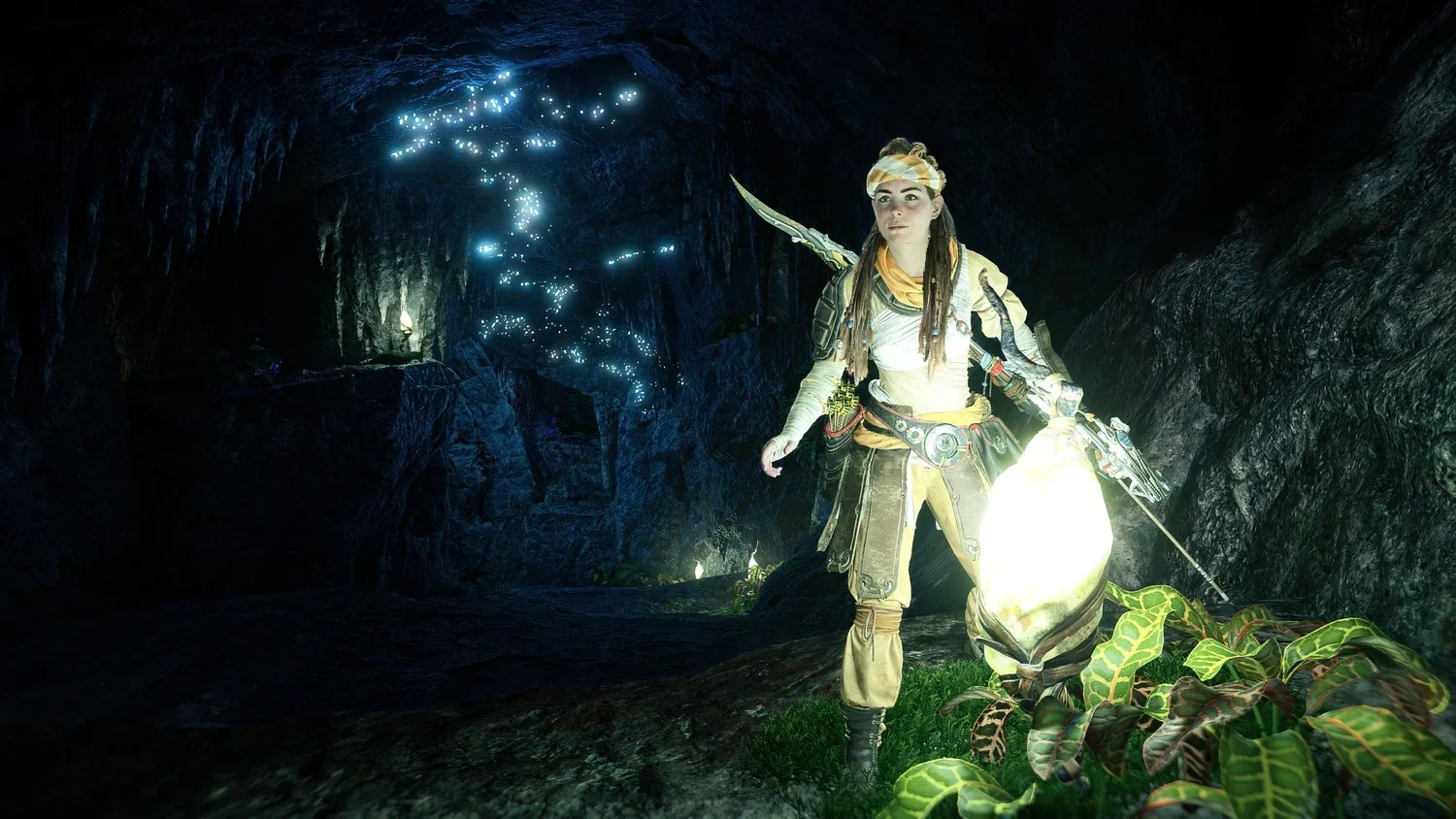
In a surprising parallel (for some), the same can be said for the digital canvases we call videogames. We often talk about the stories games tell us, the narratives meticulously crafted by developers. But what about the stories we tell, often without even realizing it? We bring so much of ourselves to the games we play – a rich tapestry of cultural background, personal experiences and emotional baggage. This isn't just about making choices within the game's given framework; it's about how we interpret, react, and ultimately, become an integral part of the narrative itself.
Think about it: even when two people play the exact same game, experiencing the identical code and graphics, their journeys are profoundly different. It’s a bit like that thought-provoking line from the musical Matilda, where she wonders if our individual perceptions of colors are truly the same. Do we all see "red" in the same way? Similarly, do we all feel a game in the same way?
When you navigate a desolate landscape in a survival game, your ingrained sense of hope or despair might shape your approach. A character's moral dilemma might resonate deeply with your own past experiences, influencing your decisions in ways a developer could never have predicted. The thrill of victory might be amplified by a personal struggle you're overcoming in your own life, or a moment of loss in-game might echo a real-world sadness, making the virtual experience surprisingly poignant.
In this sense, we, the players, are the artists, and the game is merely our canvas. With every decision, every interaction, every moment of triumph or setback, we are painting a unique picture – one that exists not just on the screen, but within the landscape of our own minds and emotions. Our individual interpretations, biases, and joys transform the static code into a dynamic, personalized piece of art. The game hasn't changed, but we have and through us, the game becomes a reflection of our own intricate, ever-evolving stories. There have been many games which have had me reflecting on them long after the credits have rolled including:
Brothers: A Tale of Two Sons - love and loss
The Walking Dead Season 1 - found family and grief
Ico - connection and resilience
Shadow of the Colossus - love, denial and self-sacrifice
Nier and Nier: Automata - philosophy and the human condition
Journey and Abzu - spirituality and humanism
What Remains of Edith Finch - the interconnectedness of us all
Everyone Has Gone to the Rapture - existential dread and cosmic bliss
Florence - love and nostalgia
Monument Valley II - parental love
Venba - family dynamics, code switching and identity
Decarnation - female bodily autonomy and the male gaze
Videogames are a beautiful, often unconscious collaboration: the developers build the world, and we, through the lens of our lived experiences, infuse it with meaning, making each playthrough a truly bespoke piece of art. And isn’t that wonderful!
LINK: Japan: My Journey to the East
LINK: Please Save My Earth - Cult Manga Review
LINK: Thomas Was Alone Video Game Vinyl Soundtrack Review
LINK: Akira Soundtrack Vinyl Review
LINK: The Power of Stories and How They Are Manipulated
LINK: The Message by Ta-Nahisi Coates - Book Review (and Some Thoughts)
LINK: The Anxious Generation: Book Review (and Some Thoughts)
LINK: Utopia for Realists- Book Review
LINK: Toxic: Women, Fame and the Noughties- Book Review (and Some Thoughts)