It has been seven years since the start of She-Ra and the Princesses of Power and just five since it concluded, but the show's legacy remains as vibrant and relevant as ever. When the series first aired on Netflix, it was met with both excitement and controversy. A reimagining of the classic 1980s cartoon, the show faced immediate scrutiny from fans of the original. Debates about the new animation style, character redesigns, and particularly the show’s increased LGBTQ+ and minority representation, dominated online discourse. Despite the initial ‘Go Woke, Go Broke’ criticisms, the series quickly proved its detractors wrong, becoming a critical and commercial success.
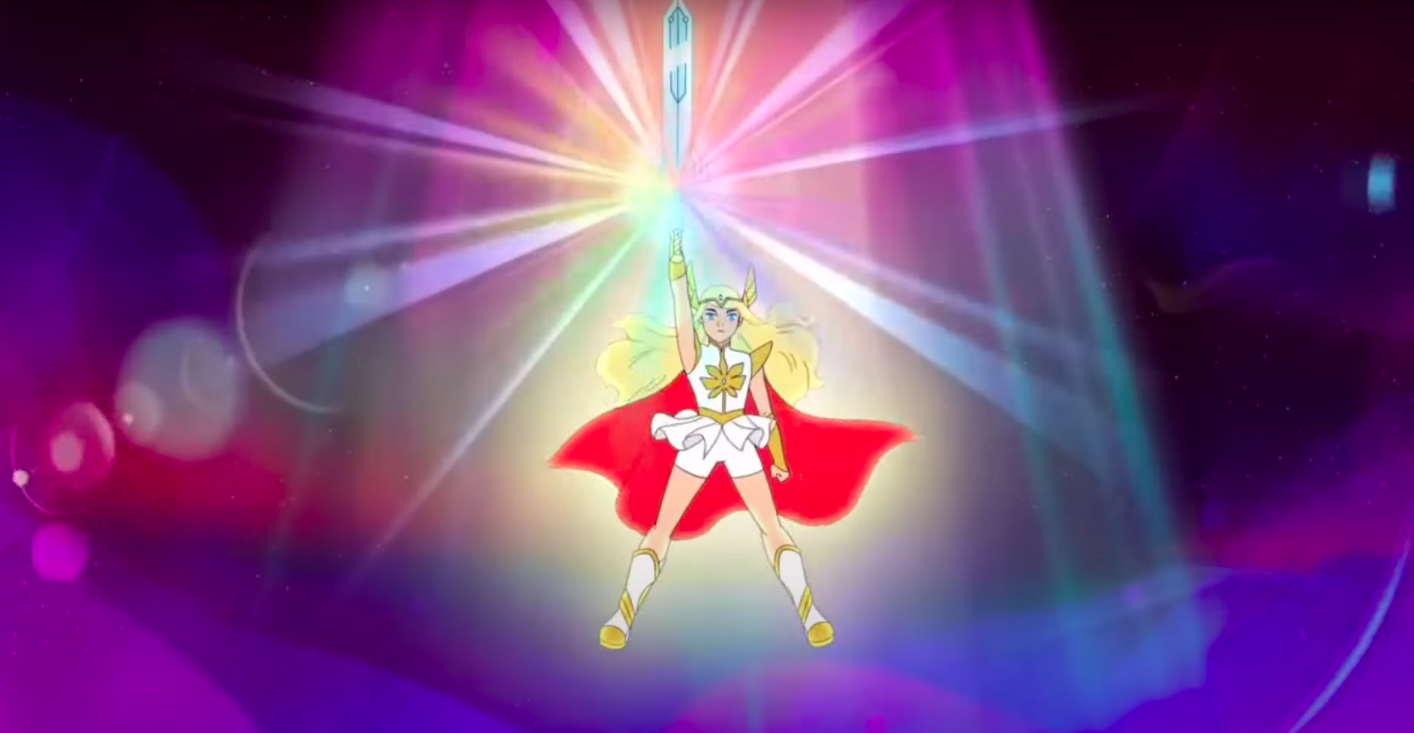
Looking back, the show's strength was its masterful storytelling and profound character development. Showrunner N. D. Stevenson, known for their work on Lumberjanes and Nimona, brought a depth and humanity to the world of Etheria that was truly captivating. What made the series so compelling was its nuanced approach to morality; there were no simple heroes or villains. Characters like Hordak, who sought acceptance, and Scorpia, who struggled in a toxic relationship with Catra, were given complex motivations that made them feel real and relatable. This humanistic approach allowed for an exploration of themes like trauma, identity and the search for belonging without resorting to easy answers.
At the heart of it all was the tumultuous relationship between Adora and Catra. Their journey from inseparable best friends to sworn enemies and eventually to partners was the emotional core of the show. Adora's arc was one of self-discovery, growth and finding her place in the world as She-Ra. In contrast, Catra’s story was a poignant exploration of attachment issues and the devastating effects of abuse and neglect from figures like Shadow Weaver. Their dynamic was a masterclass in character writing, with every victory and setback feeling earned and deeply impactful. The show dared to explore the destructive nature of their bond while also holding out the hope for healing and reconciliation, a powerful narrative that resonated deeply with many viewers including me, a British Asian man in his mid-40s.
The show's animation, often described as being in the ‘CalArts style’, with its distinctive jellybean mouth similar to Steven Universe or The Amazing World of Gumball, was initially a point of contention for some. However, this stylized, expressive approach served the story perfectly, allowing for a wide range of emotional expression and dynamic action sequences. The show proved that detailed, ‘realistic’ animation wasn't necessary for powerful storytelling, following in the footsteps of many beloved modern cartoons.
Ultimately, She-Ra and the Princesses of Power is remembered not just as a great cartoon, but as a pop culture landmark for its fans. It pushed boundaries by featuring a diverse cast and normalized LGBTQ+ representation in a mainstream animated series but was also backed by engaging stories and well-rounded characters; the show was a testament to the power of authentic representation and thoughtful storytelling. It remains a shining example of what modern animation can achieve when it embraces inclusivity and complex, heartfelt narratives. It is a show that remains close to my heart.
LINK: Japan: My Journey to the East
LINK- Ulysses 31 Retro Soundtrack Review
LINK- An English Geek in Saudi Arabia
LINK- Gravity Falls Complete Series Review
LINK- Scooby Doo: Mystery Incorporated Complete Series 1 Review