
Walter Benjamin's seminal 1936 essay, 'The Work of Art in the Age of Mechanical Reproduction,' explored the changing nature of art in the modern era. At the heart of his argument was the concept of the 'aura' of an artwork. He believed that this aura was the unique presence of a work of art in time and space—its history, its physical location and its originality. In other words, this aura was what gave art its authority and authenticity.
Benjamin's concern was that mechanical reproduction, through technologies like photography and film, stripped the artwork of its aura. When a work of art, like the Mona Lisa, was endlessly reproduced in books, on posters, and now on the internet, its unique physical presence was diminished. The Mona Lisa currently sits in the Louvre, with its centuries of history and its physical dimensions and is a different experience from the high-res images available on any screen. Benjamin’s belief was that the 'aura' of the original was lost in its infinite reproducibility and I kind of get what he means. For me, the first time I saw the Mona Lisa I was surprised by its relatively small size. The endless reproductions had created an expectation of grandeur that the physical object couldn't live up to and so the aura of the original had been diluted by its reproduction.
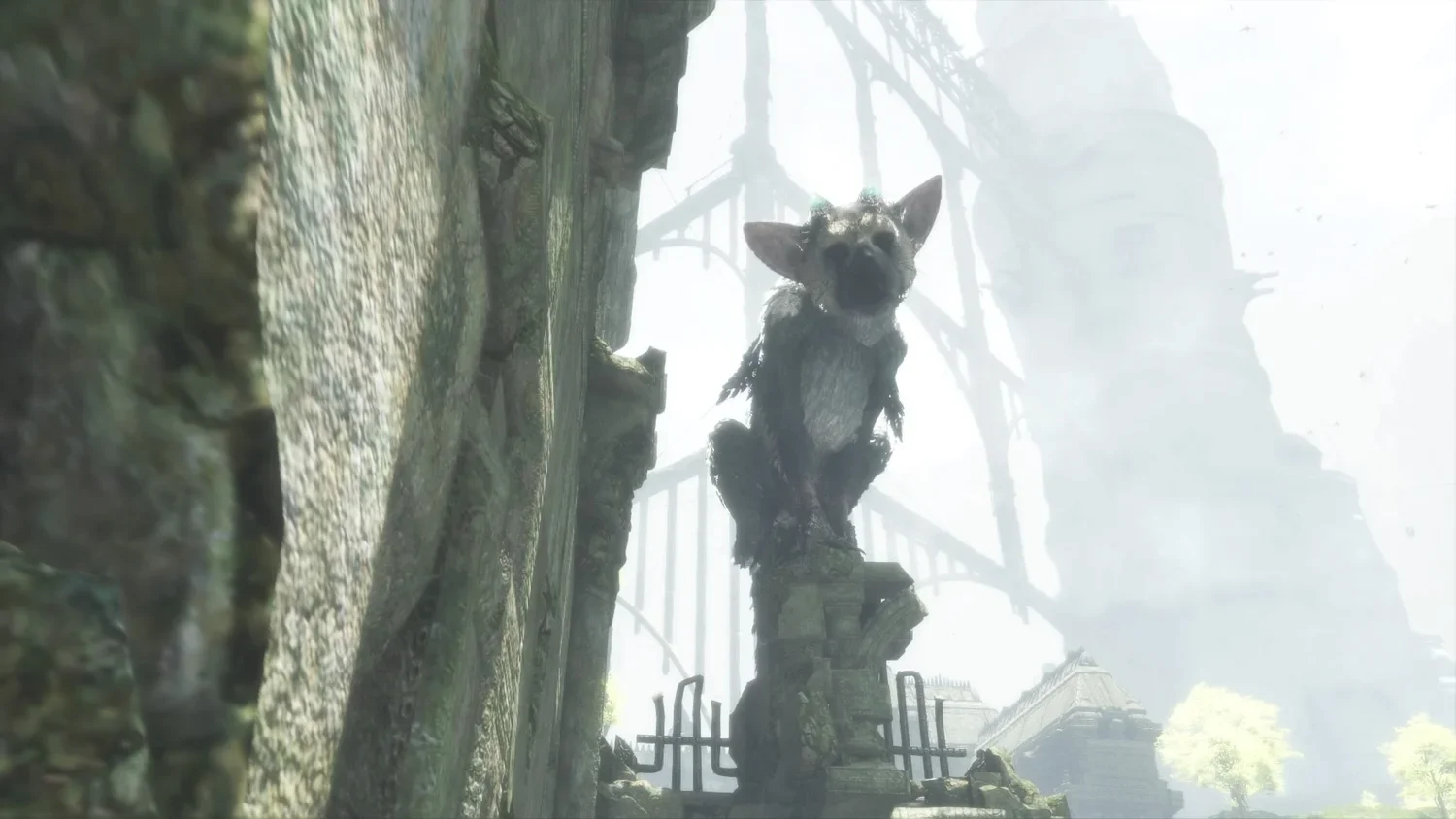
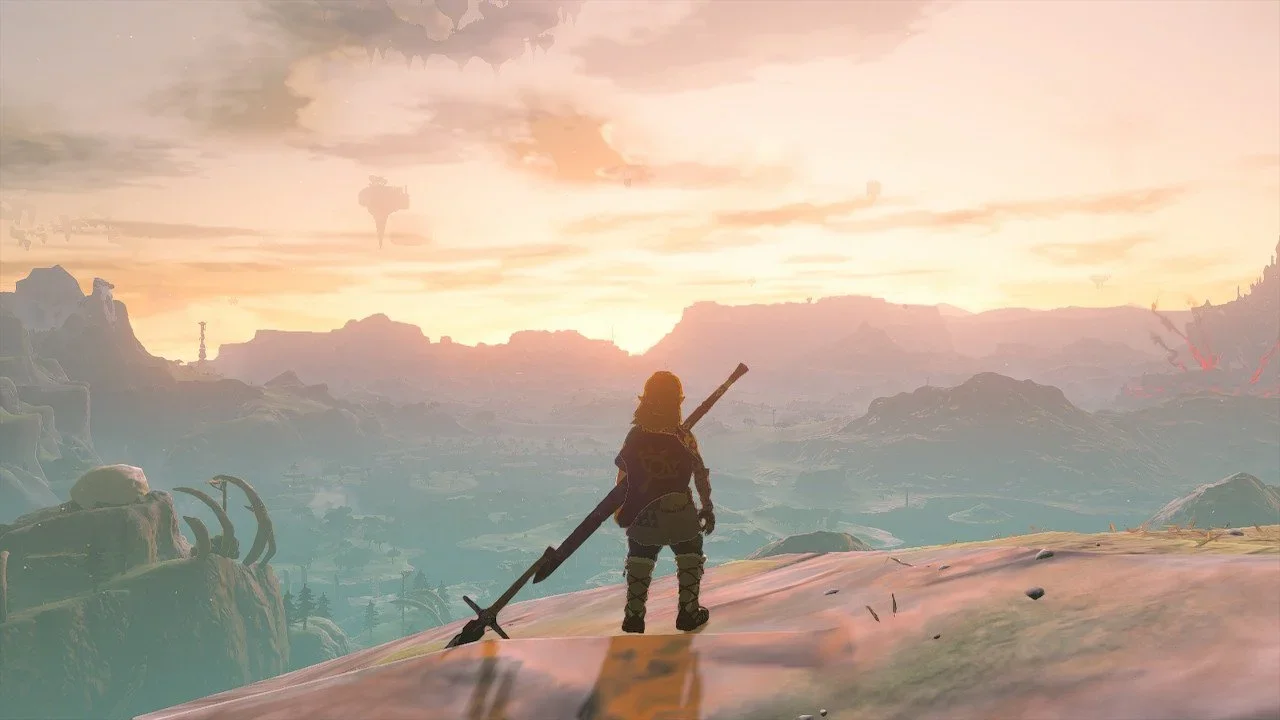
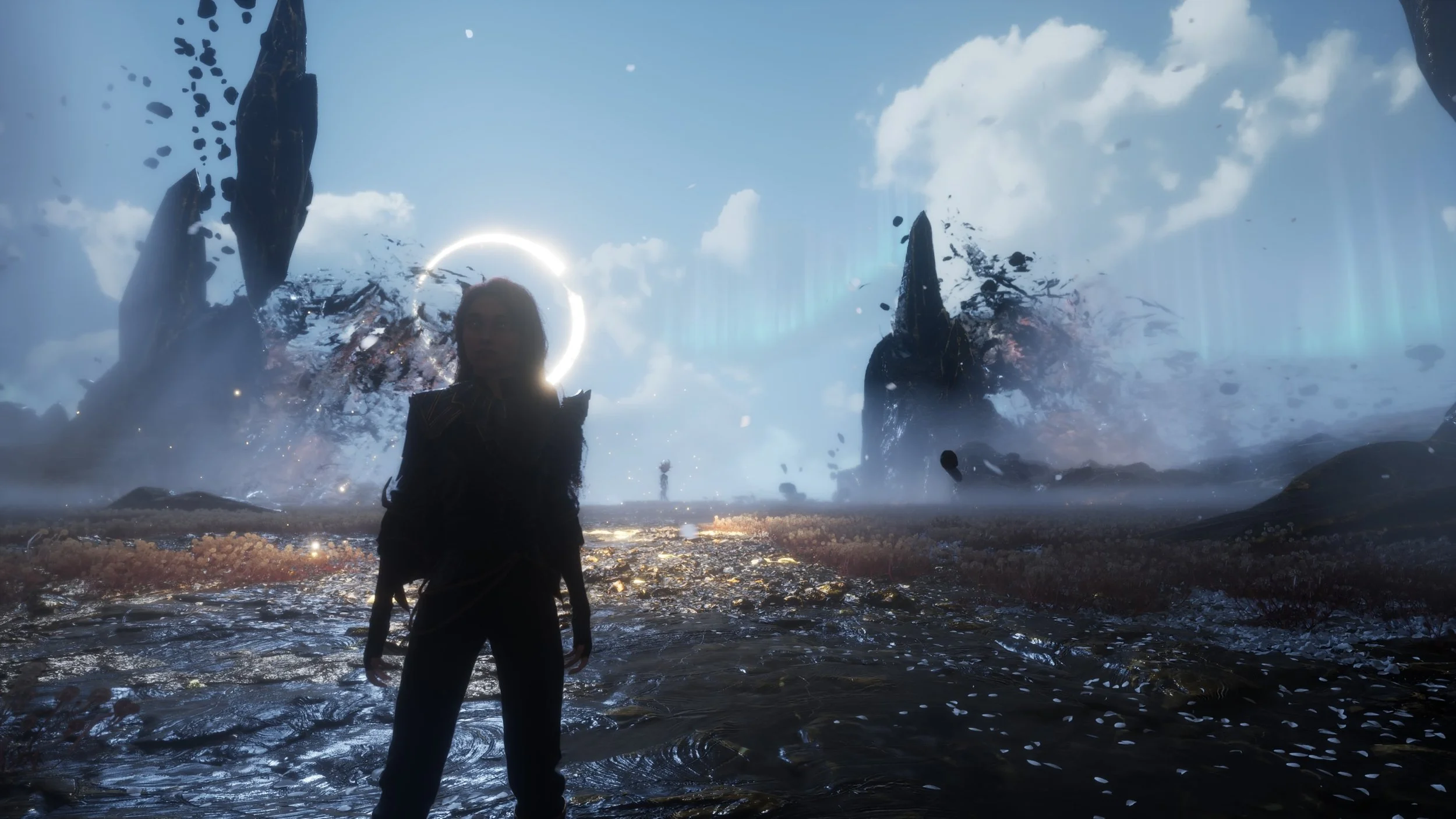
This concept of the 'aura' has a fascinating parallel in the world of videogames as, by their very nature, they are works of mechanical reproduction. A single game, like The Legend of Zelda: Breath of the Wild, exists as millions of identical digital copies. There is no ‘original’ physical cartridge or disc that holds the aura of the game. Yet, the experience of playing a videogame is profoundly personal and unique.
In videogames, a different kind of aura emerges, one that is not tied to the object itself, but to the player's subjective experience. The aura of a game like Elden Ring isn't in the code or the disc; it's in the hours spent exploring its world, the struggle against its bosses and the personal triumphs and failures. The game's narrative and world are static, but each player's journey is unique. The aura is not a property of the artwork, but a product of the interaction between the player and the game.
This shift suggests that in the digital age, the concept of aura is no longer solely tied to the physical object. Instead, it can be found in the unique, personal engagement we have with a work. In a videogame, we are not just passive observers; we are active participants with agency. We bring our own history, our own skills, and our own emotions to the experience. The aura of the game is not something lost in reproduction, but something created anew with each individual play-through.
In this sense, while Benjamin was concerned about the loss of aura in mechanical reproduction, videogames show us a new possibility. They suggest that even in the age of infinite copies, art can still have a powerful and unique presence—a presence that is not found in the object itself, but in the personal, lived experience of the player. Except with NFTs- that crap was a grift and deserved to die a quick death!
LINK- The Rise of Retro Gaming During Covid
LINK: Japan: My Journey to the East
LINK- Blood, Sweat and Pixels- Book Review
LINK- Utopia for Realists- Book Review
LINK- ‘Natives: Race and Class in the Ruins of Empire’ LINK: Elden Ring- Videogames As Art